Blog

  • Xanax vs Ativan: Which Anxiety Medication Is Right for You?


    Anxiety disorders affect millions of people around the world, making effective treatment options more important than ever. Among the medications commonly prescribed for anxiety and panic disorders, Xanax and Ativan are two of the most recognized names. If you’re researching Xanax vs Ativan, understanding their differences, benefits, risks, and appropriate uses can help you have a more informed conversation with your healthcare provider.

    Both drugs are members of a drug family referred to as benzodiazepines. Benzodiazepines function by increasing the activity of an inhibitory neurotransmitter called gamma-aminobutyric acid (GABA). GABA is involved in reducing the excitability of neurons. Although the two drugs are very similar in many aspects, there are notable differences between them.

    What Is Xanax?
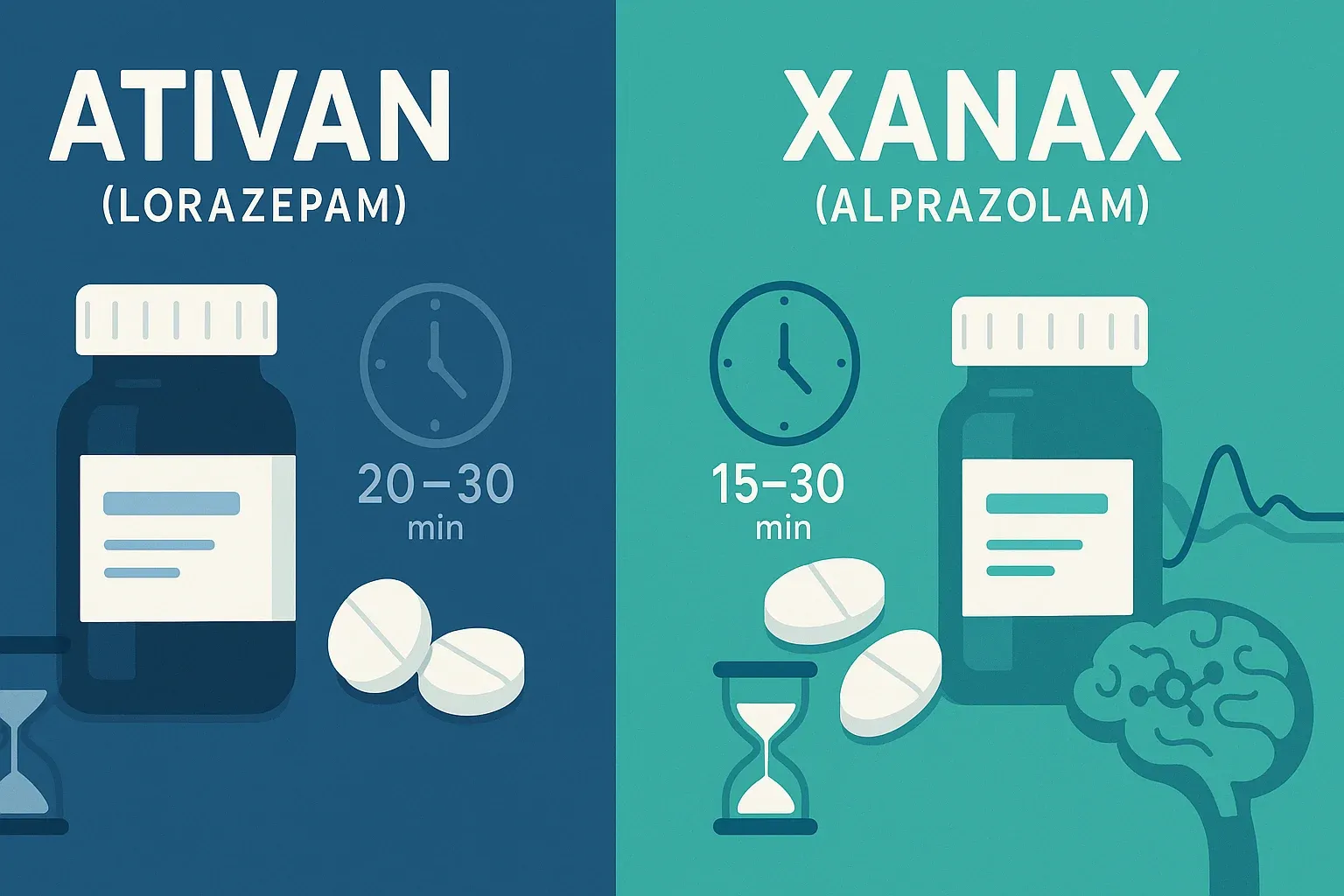
    Xanax is the brand name for alprazolam, a prescription medication primarily used to treat anxiety disorders and panic disorders. It is known for its rapid onset of action, which means it can begin working relatively quickly after it is taken.

    Healthcare providers may prescribe Xanax for:

    Generalized anxiety disorder (GAD)
    Panic disorder
    Short-term anxiety relief
    Anxiety associated with certain medical conditions
    Because Xanax acts quickly, many patients experience relief from symptoms within a short period. However, its effects may also wear off faster than some other benzodiazepines.

    What Is Ativan?
    Ativan is a trade name for lorazepam, another form of a benzodiazepine that is prescribed to treat anxiety. Ativan can also be used in treating other medical conditions, such as anxiety before surgery and seizures.

    Common uses of Ativan include:

    Anxiety disorders
    Panic symptoms
    Short-term stress-related anxiety
    Insomnia associated with anxiety
    Medical procedures requiring sedation
    Ativan usually works a bit longer than Xanax, and that can influence which medication doctors choose to give you.

    Xanax vs Ativan: Key Differences
    When comparing Xanax vs Ativan, several factors should be considered.

    1. Speed of Onset
    Xanax is famous for its quick onset. Many people get better within an hour of taking medication.

    Ativan is also fairly fast-acting, but in some situations, it may take a little longer to work than Xanax.

    2. Duration of Effects
    One major difference between Xanax vs Ativan is how long their effects last.

    Xanax typically has a shorter duration.
    Ativan often remains active in the body for a longer period.
    This means some patients may have to take Xanax more frequently.

    3. Approved Uses
    Although both the drugs are used to treat anxiety disorders, doctors can opt for one over the other based on individual symptoms and objectives for treatment.

    4. Risk of Dependence
    Xanax vs Ativan, as with all benzodiazepines, have the potential for physical dependence and misuse. The risk generally increases with:

    Higher doses
    Long-term use
    Use without medical supervision
    Always carefully follow the instructions of your healthcare provider.

    Effectiveness for Anxiety
    The effectiveness of Xanax vs Ativan varies from person to person.

    Some individuals prefer Xanax because it provides rapid relief during acute anxiety segments or panic attacks. Others may benefit from Ativan because of its longer-lasting effects and potentially more stable symptom control throughout the day.

    Factors that influence effectiveness include:

    Severity of anxiety symptoms
    Frequency of panic attacks
    Medical history
    Age
    Other medications are being taken
    There is no universal answer to which medication is “better.” The right choice depends on the individual’s medical needs and the professional opinion.

    Side Effects of Xanax Vs Ativan
    Both medications can cause the same side effects.

    Common side effects include:

    Drowsiness
    Dizziness
    Fatigue
    Reduced concentration
    Memory difficulties
    Coordination problems
    Most serious side effects may occur in some individuals, particularly when these medications are combined with alcohol, opioids, or other sedatives.

    Patients should seek medical attention if they experience unusual reactions or severe symptoms.

    Withdrawal and Discontinuation
    One of the most important considerations in the Xanax vs Ativan discussion is withdrawal risk.

    Sudden stopping of either medication can cause withdrawal symptoms, including:

    Increased anxiety
    Insomnia
    Irritability
    Tremors
    Sweating
    Seizures in severe cases
    Healthcare providers generally propose a gradual decrease in the dose instead of stopping suddenly.

    Which Medication Is Right for You?
    The answer depends on your individual circumstances.

    Xanax may be considered when:

    Rapid symptom relief is needed
    Panic attacks occur suddenly
    Short-term treatment is appropriate
    Ativan may be considered when:

    Longer-lasting symptom control is desired
    Anxiety occurs throughout the day
    A healthcare provider determines it is the better option for your specific needs
    A medical professional can look at your symptoms and recommend the best way to treat you.

    Talking to Your Healthcare Provider
    Before starting either Xanax or Ativan, discuss:

    Current medications
    Medical conditions
    History of substance use disorders
    Pregnancy or breastfeeding
    Previous experiences with anxiety medications
    Your healthcare advisor can help you decide what treatment approach is best for you and track your progress over time.

    Final Thoughts
    The two drugs can serve as effective means in treating anxiety disorders as well as panic attacks provided that proper use is done. The fast-acting nature of Xanax and long-lasting effects of Ativan could make a difference to some individuals.

    Your particular case will determine which one is ideal for you, considering factors such as your individual health status and the medical advice provided by professionals.

    Instead of getting fixated on just the name of drugs, you must consider factors such as proper prescription of medicines, medical consultation, and management of anxiety.

    Ultimately, a conversation with a qualified healthcare provider is the most reliable way to determine whether Xanax, Ativan, or another treatment option is right for you.
  • Ambien Explained: Uses, Side Effects, Sleep Risks, and Safer Alternatives


    Introduction: Why Ambien Deserves a Careful Look
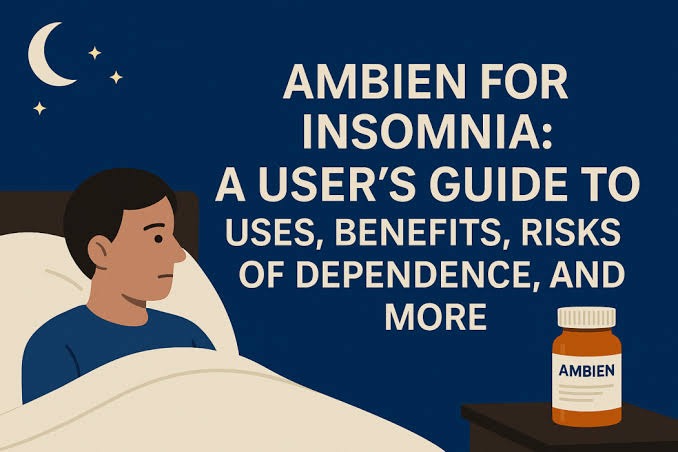
    Few things feel worse than lying awake at 3 a.m. while tomorrow’s to-do list grows. When insomnia drags on, many people ask their doctors about Ambien, one of the best-known sleep medications in the world. It can help people fall asleep faster, and for some it brings welcome relief during a rough stretch.

    However, Ambien is not a simple “sleep switch.” It carries real safety concerns, including some that surprise people. This guide explains how Ambien works, who it’s meant for, what side effects to expect, and why the FDA gives it a boxed warning. We’ll also cover alternatives that may serve you better over the long run. Keep in mind that this article offers general education only and does not replace advice from your doctor or pharmacist.

    What Is Ambien? A Plain-English Overview
    Ambien is the brand name for zolpidem, a prescription sleep medication in a group called sedative-hypnotics. Doctors prescribe it to adults who have insomnia, particularly trouble falling asleep. The FDA first approved zolpidem in the early 1990s, and many pharmacies now dispense generic versions that contain the same active ingredient.

    Ambien is often grouped with eszopiclone (Lunesta) and zaleplon (Sonata) under the nickname “Z-drugs.” In the United States, it is a Schedule IV controlled substance. That classification means the law recognizes its medical value while also acknowledging its potential for misuse and dependence. Consequently, you can get Ambien only with a valid prescription, and your doctor will likely want to follow up with you regularly.

    How Ambien Works in the Brain
    Your brain uses a calming chemical messenger called GABA (gamma-aminobutyric acid) to slow down nerve activity. Ambien boosts GABA’s effects, which helps quiet the brain so sleep can begin. Because zolpidem targets a specific part of the GABA receptor, it produces less muscle relaxation than older sleep medications.

    As a result, Ambien usually works fast. Many people feel drowsy within a short time of taking it, which is why timing matters so much. On the other hand, it is a short-acting medication, so it is designed to help you start sleeping rather than to keep you asleep all night. For that reason, you should take it only when you are already in bed and ready to sleep.

    What Is Ambien Prescribed For?
    Doctors prescribe Ambien for short-term insomnia in adults. Insomnia means persistent trouble falling asleep, staying asleep, or waking too early, along with daytime problems such as fatigue, poor concentration, and irritability. Ambien is mainly intended for people who struggle to fall asleep.

    Still, medication rarely solves insomnia alone. Many sleep specialists recommend treating the underlying causes first, including stress, anxiety, depression, pain, sleep apnea, and irregular schedules. In addition, most guidance encourages using sleep medications for the shortest time possible. In other words, Ambien often works best as a temporary bridge while you build healthier long-term sleep habits.

    Types of Ambien: Immediate-Release, Extended-Release, and Sublingual
    Zolpidem comes in several forms. The standard immediate-release tablet helps you fall asleep. The extended-release version, Ambien CR, has two layers, so it helps you fall asleep and stay asleep longer. Sublingual versions, which dissolve under the tongue, are also available for specific situations.

    Choosing among these forms depends on your sleep pattern, health history, and lifestyle. For instance, someone who wakes repeatedly may discuss an extended-release option, while someone who only struggles to fall asleep may not need it. Therefore, talk to your prescriber about which version fits you, and never switch forms on your own. Different versions can have different effects the next morning.

    How to Take Ambien Safely
    Safe use starts with one rule: follow your prescriber’s directions exactly. In 2013, the FDA lowered the recommended doses of zolpidem products because of next-morning impairment, so use only the amount your doctor prescribes. Never take extra because you can’t sleep, and don’t redose in the middle of the night.

    Furthermore, take Ambien right before bed, and make sure you can stay in bed for a full night’s sleep, ideally seven to eight hours. Taking it with or right after a meal can slow its effect, so ask your pharmacist about timing. Also, avoid driving or doing anything that requires alertness until you know how the medication affects you the next day. Finally, store your pills securely and never share them with anyone.

    Common Ambien Side Effects
    Like any medication, Ambien can cause side effects. The most common include drowsiness, dizziness, headache, nausea, diarrhea, and a heavy or “drugged” feeling. Some people also experience memory lapses, trouble concentrating, or clumsiness, especially the morning after use.

    Next-day drowsiness deserves special attention. You may feel fine but still have slower reactions, which makes driving risky. Moreover, contact your doctor if side effects bother you or interfere with your day. Seek emergency help right away if you notice swelling of the face, lips, or throat, severe difficulty breathing, or thoughts of harming yourself. Mood changes, confusion, agitation, and hallucinations can also occur, so speak up early.

    The Boxed Warning: Complex Sleep Behaviors
    The most surprising Ambien risk involves “complex sleep behaviors,” which means doing activities while not fully awake. Examples include sleepwalking, sleep-driving, preparing food, making phone calls, or having conversations, often with no memory afterward. The FDA requires a boxed warning, its most prominent warning, because these rare behaviors can be very dangerous. the-hospitalist

    The FDA’s action followed a safety review of serious cases. The review covered 66 cases involving serious injuries or death, with injuries such as falls, burns, near-drowning, and car crashes, and 20 of those people died. Importantly, these events can occur after a single dose, in people with no prior history, even at the lowest recommended doses. Therefore, if you ever discover you’ve done something in your sleep while taking Ambien, stop the medication and contact your doctor right away. The FDA also advises against prescribing zolpidem to anyone who has previously had a complex sleep behavior episode with these medicines. FDA issues strong warning over risks of common sleeping pills +2

    Dependence, Tolerance, and Stopping Ambien
    Because Ambien is a controlled substance, dependence is a real possibility, especially with long-term or higher-than-prescribed use. Tolerance can develop, meaning the medication may seem less effective over time. Some people also begin to feel that they cannot sleep without it, which creates a psychological reliance.

    When you stop Ambien after regular use, you may experience rebound insomnia, in which sleep temporarily gets worse than before. Anxiety, restlessness, and nausea can also occur. For this reason, don’t stop abruptly after extended use. Instead, work with your prescriber to taper gradually. In addition, adding cognitive behavioral therapy for insomnia during this process can make stopping much easier.

    Dangerous Combinations: Alcohol, Sedatives, and More
    Mixing Ambien with other sedating substances can be dangerous. Alcohol is the biggest concern, since both depress the central nervous system. Together, they can cause extreme drowsiness, slowed breathing, blackouts, and a higher chance of sleepwalking-type behaviors. Opioid pain medications, benzodiazepines, muscle relaxants, and some sedating antihistamines can add to the effect.

    Likewise, taking Ambien with other sleep aids, including over-the-counter products, raises your risk. Safety guidance advises against combining a Z-drug with other sleep medications, including over-the-counter ones, and against drinking alcohol while using it. Therefore, give your doctor and pharmacist a complete list of everything you take, including supplements, so they can check for interactions. tremontpharmacyoh

    Special Considerations: Older Adults, Pregnancy, and Health Conditions
    Certain groups need extra caution. Older adults are more sensitive to sedatives, so Ambien raises their risk of falls, confusion, and fractures. As a result, many guidelines recommend avoiding sleep medications like Ambien in this group whenever possible, or using the lowest effective amount if they are necessary.

    In addition, tell your doctor if you are pregnant, planning a pregnancy, or breastfeeding. Share any history of depression, substance use, sleep apnea, liver problems, or previous sleepwalking, too. These factors change the balance of risks and benefits. Open communication helps your doctor build a safer, more personal plan.

    Alternatives to Ambien for Insomnia
    The good news is that you have many options. Cognitive behavioral therapy for insomnia (CBT-I) is widely considered the first-line treatment, and it often produces lasting results without medication. It teaches you to adjust sleep habits, challenge unhelpful thoughts about sleep, and strengthen your body’s natural rhythm.

    Meanwhile, simple habits help too. Keep a consistent sleep schedule, limit caffeine and alcohol, get morning light, exercise regularly, and keep screens out of your bedroom. If your doctor recommends medication, other options exist, including low-dose doxepin, ramelteon, and a newer class called orexin receptor antagonists. Each has its own benefits and risks, so ask which fits your situation. Many people find that combining approaches works best.

    Frequently Asked Questions (FAQs)
    1. What is Ambien used for?
    Doctors prescribe Ambien for short-term insomnia in adults, mainly trouble falling asleep. It increases the calming effects of GABA in the brain to help sleep begin.

    2. Is Ambien addictive?
    Ambien can lead to dependence, especially with long-term use or taking more than prescribed. It is a Schedule IV controlled substance. Using it exactly as directed and for the shortest time possible lowers the risk.

    3. Can Ambien cause sleepwalking?
    Yes. Ambien can cause complex sleep behaviors, such as sleepwalking and sleep-driving, even at normal doses. If this happens, stop the medication and call your doctor right away.

    4. Can I drink alcohol while taking Ambien?
    No. Alcohol and Ambien together can cause severe sedation, slowed breathing, memory loss, and dangerous sleep behaviors. Avoid alcohol while using this medication.

    5. How long does Ambien stay in your system?
    Ambien is short-acting, but some people still feel drowsy the next morning. Age, liver function, and the form you take all matter. Ask your pharmacist about your specific situation.

    6. What can I use instead of Ambien?
    Options include CBT-I, healthy sleep habits, and other prescription medications such as low-dose doxepin, ramelteon, or orexin receptor antagonists. Your doctor can help you choose.

    Conclusion: Make Informed Choices About Ambien
    Ambien can provide meaningful relief when insomnia leaves you exhausted. At the same time, its risks, including complex sleep behaviors, next-day impairment, and dependence, mean it demands respect and medical supervision. By using Ambien exactly as prescribed, avoiding alcohol and other sedatives, and exploring long-term alternatives like CBT-I, you can protect both your sleep and your safety.

    Ready to sleep better? Schedule a conversation with your doctor or a sleep specialist to discuss your symptoms and treatment options. If you or someone you know is struggling with sleep medication misuse, contact your healthcare provider or a local treatment service today. If you’re in the U.S. and need immediate emotional support, call or text 988 for the Suicide & Crisis Lifeline. Share this article with anyone who could benefit from clear, trustworthy sleep information.

    Disclaimer: This article is for educational purposes only and does not constitute medical advice. Always consult a qualified healthcare provider about your health and medications.